
Structural repairs are essential for maintaining the safety, durability, and longevity of any building. Over time, structures may develop cracks, weakening foundations, damaged concrete, or other issues that can affect their stability.
Before beginning any structural repair work, it is crucial to conduct a professional structural inspection. This process helps identify the root cause of the damage and ensures that the right repair methods are used.
In this blog, we explore why professional structural inspection is an essential first step before starting any structural repair project.
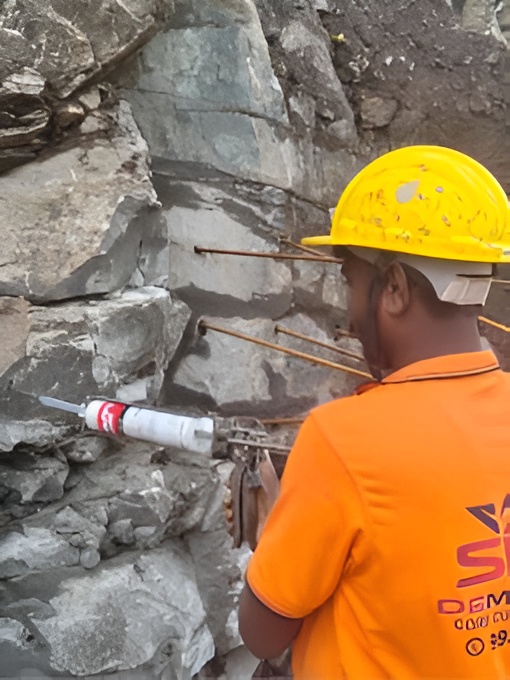
A structural inspection is a detailed evaluation of a building’s structural components performed by experienced engineers or construction experts. The goal of the inspection is to assess the condition of key structural elements.
Important components evaluated during structural inspections include:
Professional inspectors carefully analyze these components to detect structural weaknesses, damage, or signs of deterioration.
Many visible structural problems are symptoms of deeper underlying issues. Cracks in walls or slabs may result from foundation settlement, poor reinforcement, or water infiltration.
Benefits of identifying the root cause:
Structural damage can pose serious safety risks to occupants, workers, and nearby structures. Weak foundations or deteriorating concrete may lead to structural failure if left unaddressed.
After conducting a thorough inspection, engineers can recommend the most suitable structural repair methods depending on the nature of the damage.
Professional inspections not only identify existing damage but also highlight potential weaknesses that may cause future problems.
Structural repair projects must follow strict construction standards and safety regulations. Professional inspections ensure that repair plans meet all required building codes.
Without a proper inspection, repair work may be done incorrectly, leading to repeated repairs and unnecessary expenses.
Structural repairs should never begin without a professional inspection. A detailed structural assessment helps identify the root cause of damage, ensures safety, and allows engineers to recommend the most effective repair methods.
Professional inspections also help prevent future structural problems, ensure compliance with building standards, and reduce long-term repair costs. If your building shows signs of structural damage or requires renovation, scheduling a professional inspection is the first step toward ensuring safety and long-term durability.